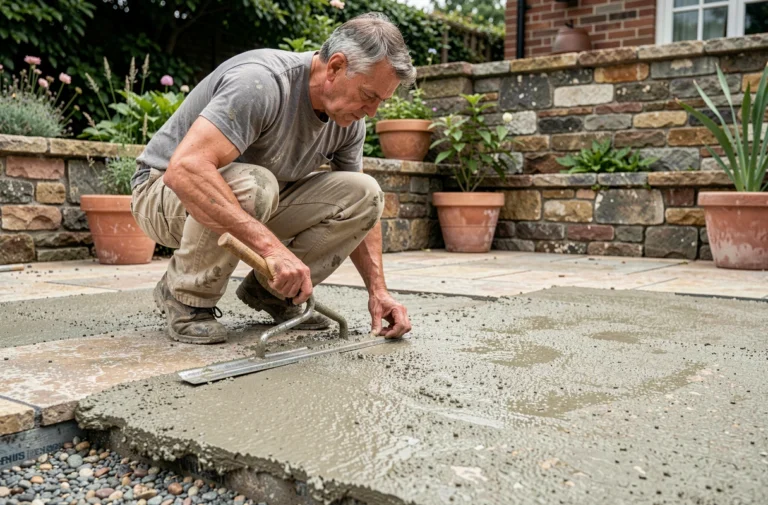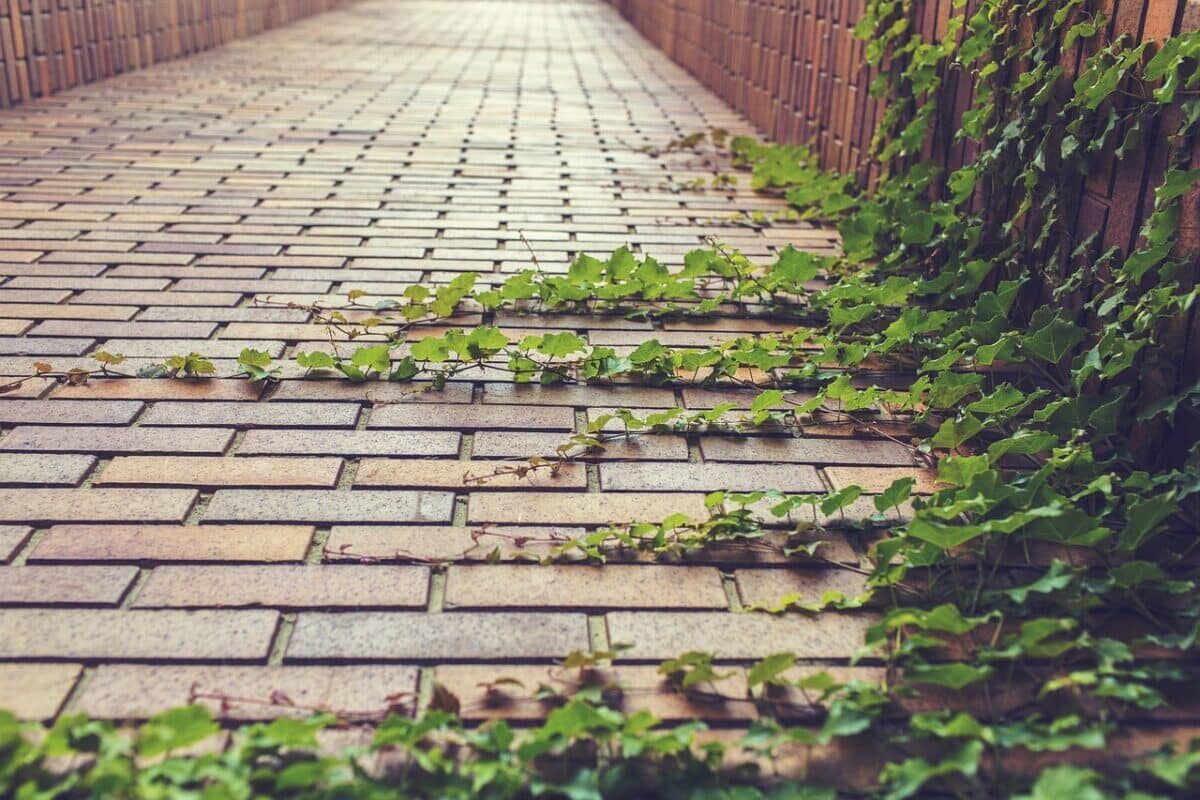
Nothing adds more character to a walkway or garage entrance than expertly laid concrete pavers. They are not only aesthetic but also robust and durable, reliably supporting the weight of heavy vehicles. Achieving a perfect installation of driveable concrete pavers requires a rigorous methodology and some DIY skills.
Site Preparation
First and foremost, it is essential to properly prepare the site. This not only ensures the stability of the pavers but also prevents sinking and other inconveniences over time.
- Defining the area: Using stakes and strings, outline the contours of your future walkway or garage entrance. This step is crucial for defining the exact dimensions of your project.
- Excavation: Dig the defined area to a depth of about 20 to 30 cm. This depth creates a solid base for the pavers.
- Debris removal: Remove all unwanted elements such as stones, roots, and other debris. A clean and even ground is essential for a successful installation.
Creating the Foundation
After preparing the site, it is time to create a robust base on which your driveable concrete pavers will be laid. This foundation is essential to ensure the durability and stability of your installation.
- Geotextile installation: Spread a geotextile over the entire excavated area. This material prevents weed growth and stabilizes the soil by evenly distributing loads.
- Foundation layer: Apply a layer of gravel or crushed stone 15 to 20 cm thick. Carefully compact this layer using a vibrating plate to achieve a solid surface.
- Leveling layer: Place a thin layer of sand or gravel, about 3 to 5 cm, to refine the leveling. This layer will facilitate the placement and adjustment of the pavers.
Installing Driveable Concrete Pavers
Once the foundation is in place, it is time to proceed with the installation of the driveable concrete pavers. This step requires precision and attention to detail to achieve an aesthetic and durable result.
Start at the edge of your walkway or garage entrance, placing the pavers tightly against each other. Use a mason’s level to ensure that each paver is properly aligned. If necessary, adjust the pavers using a rubber mallet. Work methodically, row by row, to maintain perfect alignment.
It may be helpful to alternate between pavers of different sizes or colors to add a pattern or visual interest to your walkway. For impeccable finishes, you can cut the pavers with a grinder equipped with a diamond blade. Be sure to wear appropriate protective gear to avoid accidents.
Finishing Touches and Maintenance
The final steps of your project are no less crucial. They ensure the longevity and beauty of your walkway or garage entrance.
After laying all your pavers, sprinkle fine sand over the entire surface. Sweep the sand so that it fills the gaps between the pavers. This will help stabilize the pavers and prevent movement. You can also use polymer sand for an even more durable fixation.
Finally, lightly water the surface to settle the sand. Let it dry, then add another layer of sand if necessary. To maintain your walkway, remember to clean it regularly and check the condition of the joints to prevent weed growth. Paying particular attention to these details will prolong the life of your installation and preserve its aesthetic appearance.
Choosing the right type of paver is also essential. In addition to concrete pavers, you might consider a travertine paver for its natural charm and exceptional durability.
By carefully following these steps and paying attention to detail, you will be able to successfully install driveable concrete pavers. Not only will your walkway or garage entrance be functional and resilient, but it will also add a touch of elegance to your exterior. Be patient and diligent, and you will be rewarded with a result that meets your expectations.