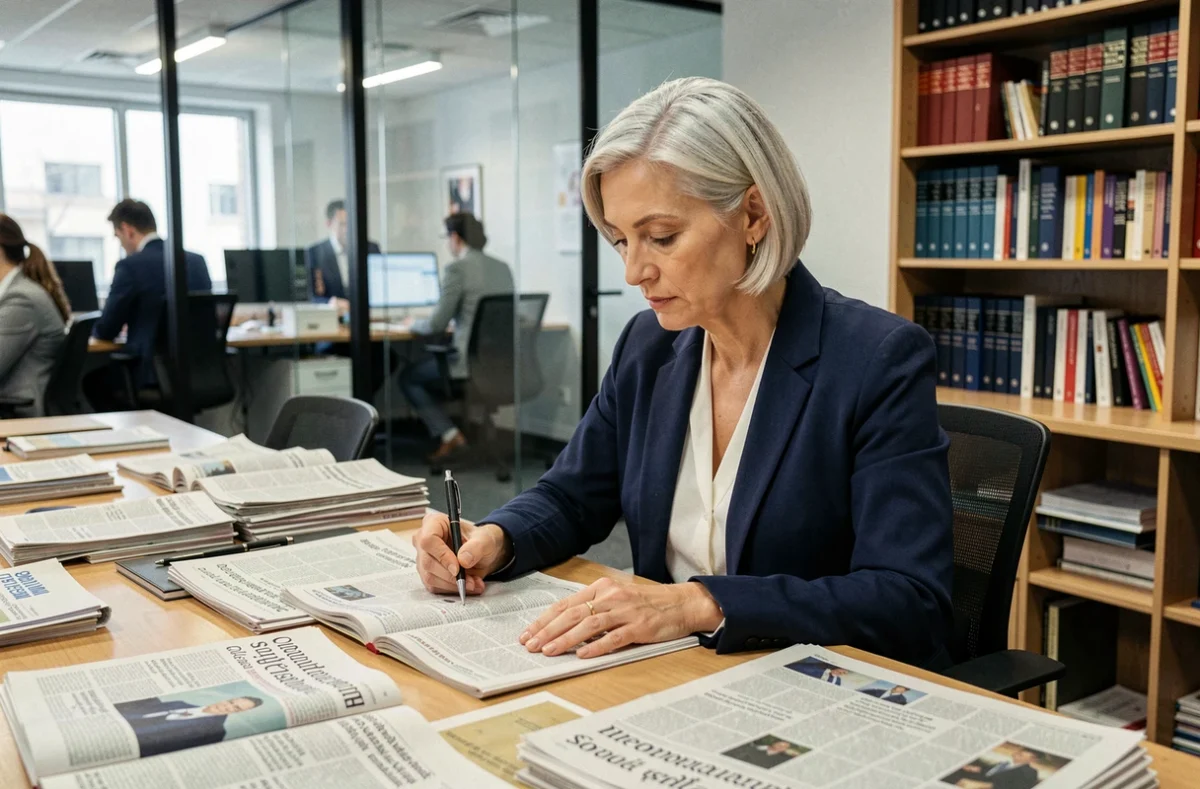
The international news of September 2026 is structured around three axes that redistribute the balance of power between states, digital platforms, and public opinion. We observe a tightening of European regulations on social media, a reshaping of geopolitical alliances related to the war in Ukraine and Sino-American tensions, and a widespread crisis of trust in the media that alters the very circulation of international information.
EU Kids Act: the European regulatory lever against platforms
The draft regulation EU Kids Act presented by Ursula von der Leyen in September 2026 represents a change in doctrine for the European Commission. The ban on access to social media before the age of 13 and the setting of 15 years as the pivotal age for the autonomous management of accounts is no longer merely an adjustment of the Digital Services Act.
The penalty foreseen, which can reach 6% of global revenue in case of non-compliance with age verification obligations, exceeds the usual ceiling of European digital regulations. This threshold places platforms at a financial risk comparable to that of the GDPR, with a de facto extraterritorial scope since the targeted companies are predominantly American.
The Commission articulates this text around three simultaneous justifications: the mental health of minors, the fight against the radicalization of youth, and the containment of systemic disinformation. This triple motivation transforms a file perceived as related to child protection into a subject of foreign policy and digital sovereignty.
The newsrooms covering international news now treat platform regulation at the same level as traditional geopolitical issues, and specialized publications like headlinemagazine.net reflect this convergence in their editorial coverage.
War in Ukraine and American foreign policy under Donald Trump
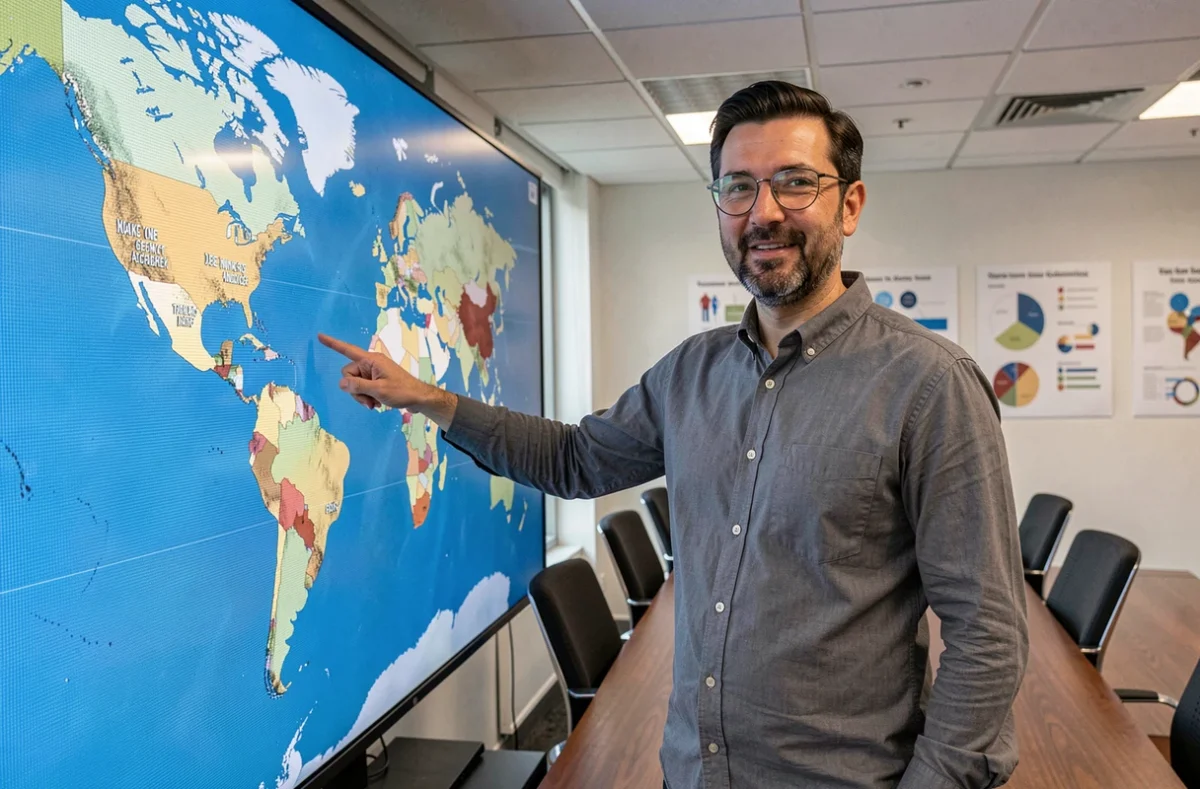
The war in Ukraine remains the main catalyst for strategic realignments in 2026. The Trump administration has intensified pressure on European allies to take on a larger share of military support while maintaining an open channel of communication with Vladimir Putin’s Russia.
This posture places France and Germany in a situation where the debate on European defense is no longer prospective. The military budgetary decisions made by EU countries reflect an operational shift. The increase in incidents involving drones near military sites in Europe illustrates the materialization of hybrid warfare on European soil.
The distinction between peacetime and conflict time becomes ineffective in describing the security situation on the continent. Russia is waging hybrid warfare against Europe, sometimes visibly, sometimes quietly, and European governments are gradually adapting their defensive posture to this reality.
Control of information in times of hybrid war
The tensions between the Trump administration and certain American media illustrate a broader trend of weakening journalistic access to institutions. For European analysts, this type of American precedent undermines the Western discourse on press freedom in the face of authoritarian regimes.
We observe an increasing asymmetry: liberal democracies restrict access for certain journalists to institutions while asking digital platforms to combat disinformation. This contradiction fuels global distrust of the media.
Distrust of international media: a structural shift
Social media has become the primary source of daily information for the majority of the global population, surpassing print media, radio, and television. This observation, summarized by UNESCO and reiterated in an official note published in September 2026, no longer describes an emerging trend but a state of affairs.
A survey by the Center for News Research at Roskilde University, covering 48 countries, shows that trust in traditional media has reached a historic low. The paradox is structural: the demand for international information has never been stronger, yet it is satisfied by channels that their users themselves consider unreliable.
Consequences for global news coverage
This shift alters the conditions for producing international information. Newsrooms must contend with several new constraints:
- Algorithmic virality favors short and emotional formats, which reduces the space allocated to in-depth geopolitical analysis in dominant information flows.
- The proliferation of unverified sources on conflicts (Ukraine, Middle East) makes fact-checking more costly and slower than the initial dissemination of false information.
- European regulation, by imposing moderation obligations on platforms, creates a risk of asymmetric filtering where some legitimate journalistic content is removed by compliance algorithms.
UNESCO has responded to this situation by creating a global network of media regulators to coordinate the regulation of digital platforms. This initiative seeks to bridge the gap between the speed of information dissemination and the ability of states to regulate it.

Geopolitical trends in the Middle East and South Asia
The Israeli-Iranian conflict is also played out on the ground of human intelligence, and the espionage cases made public by Tehran for domestic deterrence purposes signal an intensification of the shadow war between the two countries.
Covering international news in 2026 requires reading digital regulation, armed conflicts, hybrid warfare, and the media trust crisis as interconnected phenomena. Treating these subjects in silos means missing the dynamics that link them, from disinformation about conflicts to the regulation of the platforms that disseminate it.