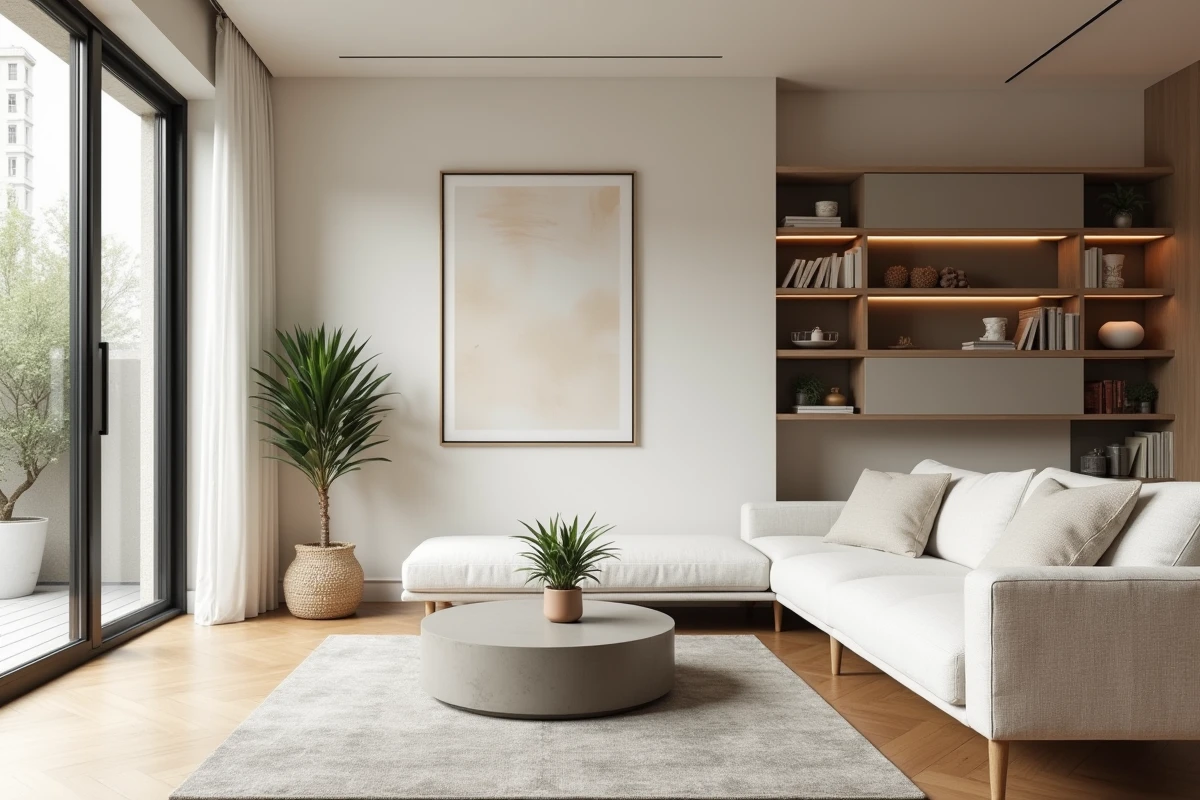
The modern home is no longer just about a choice of colors or furniture. Decoration, renovation, and comfort now form a triptych where every decision influences air quality, energy bills, and daily well-being. Between the requirements of RE2020 for new builds, the aids for comprehensive renovation of existing structures, and the arrival of low environmental impact materials on the consumer market, interior design projects are changing in nature.
Pollution-reducing and bio-sourced materials: the invisible shift in interior renovation
Most decor guides focus on shades and textures. They overlook an underlying movement: the choice of materials is now based as much on health criteria as on aesthetics. Paints with very low levels of volatile organic compounds (VOCs), bio-sourced insulators (wood fiber, cellulose wadding, hemp), and certified low-carbon wood are gaining ground in common projects, not just in high-end new constructions.
According to Ademe and the Ministry of Ecological Transition, this trend results from both regulatory pressure and an increased sensitivity to indoor air quality. A wall repainted with pollution-reducing paint or a floor laid on a bio-sourced insulator does not change the appearance of a room, but it transforms the respiratory environment for its occupants.
For those keeping up with housing news, it is possible to access the home page of Atom News to find regularly updated reports on these topics.
Cost remains a barrier. Bio-sourced insulators are priced higher than their synthetic counterparts, and labeled paints are more expensive per liter. However, aid programs (MaPrimeRénov’, energy savings certificates) significantly reduce costs for insulation, making the decision less clear-cut than it seems.

Home automation and connected lighting: modern comfort is programmed, not decorated
A smart thermostat, automated shutters, a lighting scenario that adapts to the time of day: home automation is no longer a gadget reserved for technology enthusiasts. Real estate observatories note a clear increase in these devices in recent renovation projects.
What changes is the perception. The control of heating and lighting is now seen as a comfort criterion, on par with sound insulation or the choice of a sofa. Lighting, in particular, deserves separate consideration from mere decor. A poorly controlled designer light fixture creates a cold or tiring atmosphere. The same fixture integrated into a home automation scenario (variable color temperature, gradual intensity) truly transforms the use of a room.
What home automation concretely changes in a living room or bedroom
In a living room, programming the light according to the activity (reading, movie, meal) eliminates the need for multiple floor lamps that clutter the space. Air quality sensors, coupled with ventilation, maintain a stable humidity level without manual intervention.
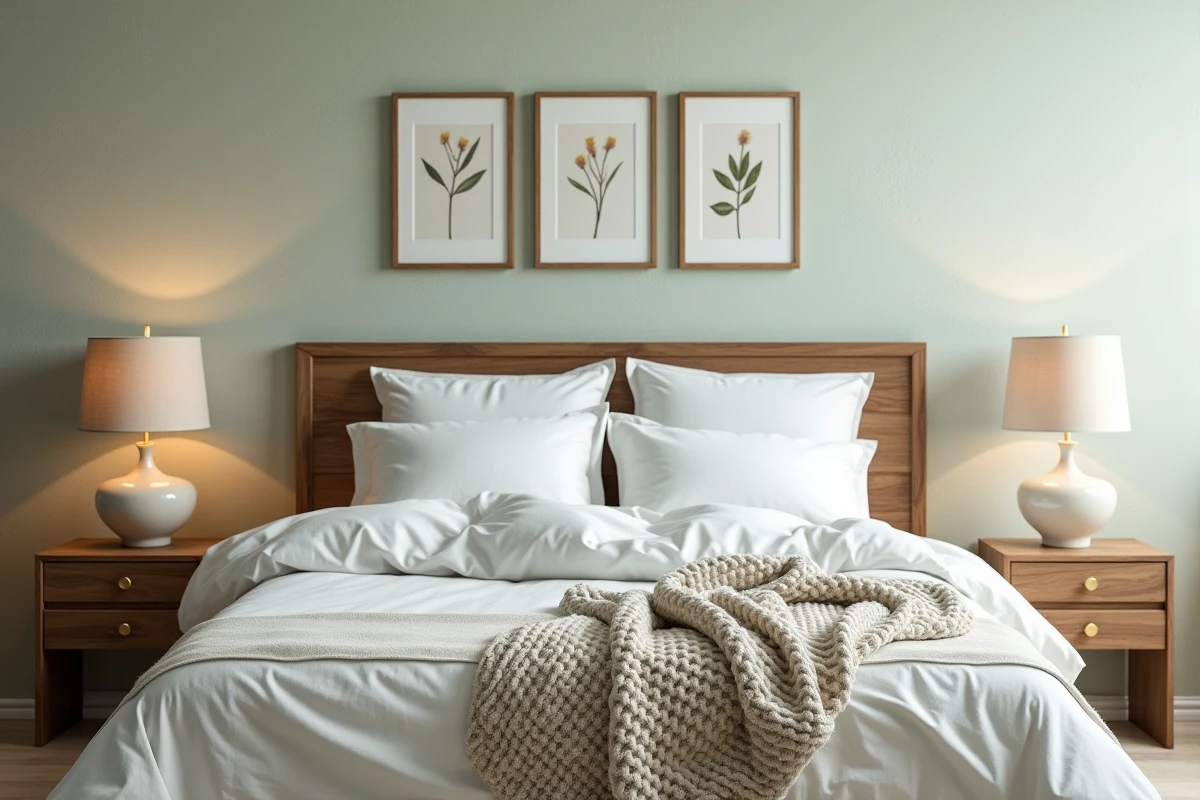
In a bedroom, a connected blind that gradually opens in the morning replaces a harsh alarm. Invisible home automation makes the room more functional without adding a single visible object. This is the exact opposite of the classic decorative approach, which accumulates elements to create an atmosphere.
Renovation of walls and floors: balancing style and performance
When renovating a room, the walls and floor represent the most decisive surfaces. The choice of wall covering or flooring is not solely about style: it also involves acoustic, thermal, and health performance.
- A lime plaster naturally regulates the humidity of a room and offers the sought-after matte finish in modern decoration, but its application requires specific expertise and a long drying time.
- A solid wood floor with certification brings warmth and durability, provided the source and surface treatment (natural oil rather than polyurethane varnish to limit VOCs) are checked.
- Large format tiles, very present in contemporary interiors, simplify maintenance but require a perfectly flat screed, which can increase the renovation budget.
The floor covering influences both the acoustics and the aesthetics of a room. A tile floor without acoustic underlayment in an open space amplifies every footstep. Conversely, a floating floor on suitable sound insulation absorbs a significant portion of impact sounds.
Colors and natural light: two levers of comfort often poorly articulated
Neutral color palettes dominate modern interiors: off-white, light gray, beige. This choice is not just a trend. Light shades maximize the reflection of natural light, which reduces the need for artificial lighting during the day. In north-facing rooms, this principle becomes a real lever of comfort.
Field feedback varies on the use of saturated colors. Some interior architects advocate for a dark accent wall to structure a large space, while others believe this choice ages quickly and complicates future renovations. The coherence between the color of the walls and the orientation of natural light matters more than the current trend.
Adapting the palette to the function of each room
A windowless bathroom benefits from staying in light tones with daylight-type lighting. A south-facing office can handle deeper shades without losing brightness. Treating each room as a particular case avoids decoration mistakes copied from a magazine.
Renovating and decorating a modern home means balancing constraints that are not always listed in inspiration catalogs. Air quality, energy management, and the acoustics of coverings: these technical parameters weigh as heavily on perceived comfort as the choice of a sofa or wall color. Ignoring them risks a renovation that looks good but is tiring to use.